Thursday, 31 August 2023

Best hair extensions for fine hair

 Best Hair Extensions for Fine Hair

Like delicate threads of silk, fine hair requires special care and attention. When it comes to finding the best hair extensions for fine hair or your hair type, it’s crucial to choose wisely.

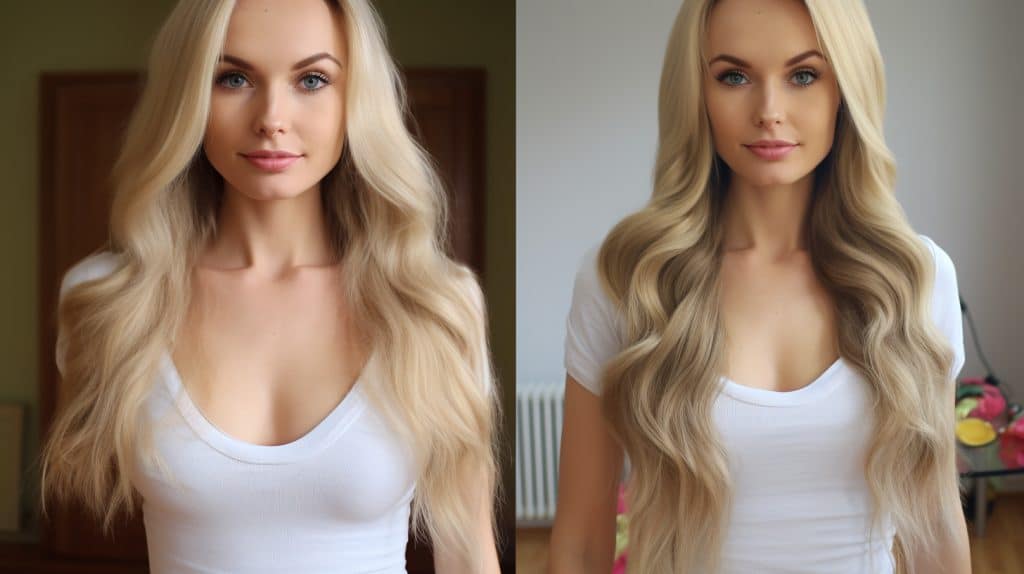
the best hair extensions for fine hair

As someone who understands the struggles of having thin or fine hair, I’m here to guide you through the process. In this guide, we’ll explore safe options that won’t damage your precious strands.

Whether you’re looking for natural-looking extensions or want to avoid hair loss altogether, we’ve got you covered. Let’s discover the perfect complement for your fine or thin hair together.

Key Takeaways

– Clip-in extensions, tape-in extensions, micro link extensions, and weft extensions are some of the best types of hair extensions for fine hair.

– When choosing hair extensions for fine hair, consider the weight and length of the extensions, as well as the quality of the hair and the attachment method.

– Using hair extensions for fine hair can add volume and thickness, enhance hair length, provide styling versatility, and cover up thinning areas, boosting confidence.

– To care for hair extensions on fine hair, use gentle hair care products, brush extensions carefully, avoid excessive heat styling, sleep with a silk or satin pillowcase, and schedule regular maintenance appointments.

The first thing you want to do is look for hair extensions that are made from high quality, cruelty-free human hair. This will help ensure that the quality of your extensions is very good. You want hair that is all the same length, thickness and colour. This will ensure that the extensions are going to look very natural.

https://foxylocks.com

How to Choose the Best Extensions for Thin or Fine Hair: The Ultimate Guide

If you have thin or fine hair, choosing the best hair extensions can be a challenge, but don’t worry – I’ve got you covered with this ultimate guide.

When it comes to finding the right type of hair extension for your fine hair, there are a few key factors to consider.

First, look for extensions that are specifically designed for thin or fine hair. Clip-in hair extensions are a great option as they provide instant volume and can easily be attached and removed without causing damage to your natural locks. Fusion hair extensions and tape in hair extensions are also worth considering, as they offer a more permanent solution and can be applied directly onto your own strands.

When choosing extensions for fine hair, it’s a good option to perhaps use high-quality Remy human hair. These extensions are made from 100% human hair and provide a natural look that seamlessly blends with your own locks. Make sure the extensions are consistent in length, thickness, and color to achieve a flawless finish.

Lastly, choose lightweight extensions that won’t weigh down your hair. This will help maintain the health of your natural hair while still adding volume and length. If you’re unsure about which type of extension is best for you or how to properly apply them, consult a professional hairstylist who specializes in extensions. They can provide expert guidance tailored to your specific needs.

Avoiding Hair Damage: Safe Hair Extensions for Thin Hair

To avoid damaging your thin hair, opt for safe extensions that are specifically designed for fine strands. Thin or fine hair requires delicate handling to prevent breakage and additional damage. Here are some tips on how to choose the best hair extensions for fine hair and ensure a safe application:

hair-extensions-for-short-hair-singapore

1. Choose human hair extensions: Natural hair blends seamlessly with your own strands, giving you a more natural look. Synthetic fibers can be too heavy and cause strain on fine hair.

2. Consider clip-in extensions: Clip-ins allow you to add volume and length without the need for glue or heat. They are easy to install and remove, minimizing potential damage.

3. Look for tape-in hair extensions: Tape-in extensions are lightweight and less likely to weigh down fine hair. Professional installation ensures proper placement and reduces the risk of tension on your natural hair.

4. Pay attention to maintenance: Regularly clean and condition your natural hair as well as the extensions to keep them healthy and prevent tangling. Avoid using excessive heat or styling products that could further weaken your fine strands.

By choosing the right type of extension and taking proper care of both your natural hair and the added pieces, you can achieve beautiful results without compromising the health of your thin or fine locks.

Natural Hair Extensions: The Perfect Complement for Fine or Thin Hair?

Consider natural hair extensions as the ideal complement for your thin or fine locks. When it comes to finding the best hair extensions for thin hair, you want something that will add volume and length without causing damage. That’s where natural hair extensions come in. Made from human hair, these extensions blend seamlessly with your own hair, giving you a natural and fuller look.

best hair extensions for fine hair

One of the best options for thin or fine hair is the halo hair extension. This type of extension is non-invasive and doesn’t damage your existing hair. It provides extra volume and makes your hair look healthier without making it obvious that you’re wearing extensions. The halo extension is easy to use – simply place it on your head like a headband and adjust it to fit securely.

When choosing the best hair extensions for fine or thin hair, it’s important to consider the type of hair you have. Clip-in extensions are another great option as they allow you to add length and volume exactly where you need it. They are also easy to remove and maintain.

No matter what type of natural hair extension you choose, make sure to take proper care of them. Wetting the hair before coloring or toning halo extensions is essential but remember to only go a few shades darker than your current color – never lighter. Bleaching can cause damage, so it’s best to avoid it.

For the best results when coloring or maintaining your natural human hair extensions, choose a salon experienced in working with Remy Hair Extensions, as each halo may react differently due to variations in human hairs.

Incorporating natural human hair extensions into your routine can transform your thin locks into beautiful voluminous tresses while keeping them safe from any damage!

If you have fine hair like myself, I’ve always experienced that if something’s attached to my actual hair then it ends up stressing the follicle out and I lose more hair.

https://www.sittingprettyhalohair.com

How to Avoid Hair Loss When Opting for Extensions on Thin or Fine Hair

When opting for extensions on thin or fine hair, you can prevent hair loss by choosing the right application method and ensuring your natural hair is in good condition. Here are three key tips to avoid this and maintain healthy strands of hair:

1. Choose weft extensions: These are the best option for fine or thin hair. They are lightweight and provide a more natural look, minimizing tension on your scalp. They distribute weight evenly across your head, reducing the risk of pulling and damage.

2. Avoid damaging hair extensions: opt for high-quality, professional-grade extensions that won’t cause breakage or stress on your delicate strands. Cheap, synthetic extensions can tangle easily and damage your hair. Invest in quality human hair extensions that blend seamlessly with your natural locks.

3. Properly care for your natural hair: Before getting extensions, ensure that your own hair is in decent shape. Cleanse and moisturize regularly with sulfate-free products to maintain its health and strength. Avoid excessive heat styling and chemical treatments like bleach, as these can weaken already fragile strands.

By following these tips, you can enjoy the benefits of beautiful, voluminous locks without sacrificing the health of your thin or fine hair. Remember to choose suitable extensions, avoid damaging options, and prioritize proper care for optimal results.

Your Options for Hair Extensions That Don’t Cause Hair Loss or Damage

There are alternative methods available for adding volume and length to your hair without causing any damage or hair loss. One great option for those with thin and fine hair is hand tied extensions. These extensions are made from high-quality Remy human hair, which means that the cuticles are intact and aligned in the same direction. This ensures a natural look and prevents tangling.

best hair extensions for fine hair 2023

When choosing the best hair extensions for fine hair, weft hair extensions are highly recommended. They come in different widths and can be sewn or taped onto your natural hair. They provide a seamless blend with your own strands, giving you fuller-looking locks.

Another option to consider is invisible hair extensions specifically designed for thin hair. These extensions use a lightweight method of attachment, such as micro links or tape in extensions, to minimize strain on your existing strands.

To help you make an informed decision, here’s a table comparing several types of extensions:

Type of Extension Best for Thin Hair
Hand-tied Extensions Yes
Weft Hair Extensions Yes
Invisible Extensions Yes

Remember, finding the best extensions for fine hair is crucial to avoid any potential damage. It’s essential to consult with a qualified stylist who has experience working with thin hair. Regular maintenance appointments will ensure proper care and minimize any risk of harm to your natural locks.

By choosing the right type of extension and following proper care guidelines, you can enjoy beautiful, voluminous locks without compromising the health of your thin or fine hair.

FAQs.

What type of hair extension is best for fine hair?

The best hair extensions for fine hair largely depend on various factors, including your hair’s natural texture and volume. That said, tape-in hair extensions are the best for many people with thin or fine hair. They lie flat against the scalp and are virtually invisible, making them a great option for thin hair. The tape adhesive is strong enough to hold the extensions in place but gentle enough not to damage your fine hair strands.

Are micro bead extensions good for thin hair?

While micro bead extensions offer a lot of versatility and can look very natural, they may not always be the best hair extensions for fine hair. This is particularly the case for people with thin hair strands. The beads can weigh down your hair and may cause damage over time, making them less ideal than other types of hair extensions that are the best suited for people with thin or fine hair. You might want to consider tape-in or hand-tied extensions as a better alternative.

What are the most discreet hair extensions?

The best hair extensions for fine hair when it comes to discretion are typically tape-in and hand-tied extensions. Tape-in extensions lie flat against your scalp and blend seamlessly with your natural hair, making them a great option for thin hair. Hand-tied extensions can also be very discreet as they allow your natural scalp to show through, which works well for people with thin hair or fine hair strands.

What are the easiest hair extensions to use?

If you’re looking for ease of use, clip-in hair extensions are the best in that department. They are incredibly user-friendly and can be attached or removed in minutes without professional help. However, while they may be convenient, they are not always the best hair extensions for fine hair or people with thin hair strands, as the clips can sometimes be too heavy and cause damage. For those with fine or thin hair, tape-in extensions may be the easiest and most reliable option that causes minimal damage to your hair strands.

from Life & Healthy Living https://lifeandhealthyliving.com/best-hair-extensions-for-fine-hair/
via IFTTT

from Life and Healthy Living https://lifeandhealthyliving0.blogspot.com/2023/08/best-hair-extensions-for-fine-hair.html
via IFTTT


from
https://lifeandhealthyliving0.wordpress.com/2023/09/01/best-hair-extensions-for-fine-hair/

Sunday, 27 August 2023

Hair extensions for short hair – to love

Hair Extensions for Short Hair

Looking to transform your short hair into long, luscious locks? Well, you’ve come to the right place. In this article, I’ll be diving deep into the world of hair extensions specifically designed for short hair.

hair extensions for short hair before and after

Whether you’re looking to seamlessly blend your short and long strands or add some volume and thickness to your thin locks, we’ve got you covered.

 Sit back, relax, and let’s explore the wonderful world of hair extensions for short hair together!

Key Takeaways

– Consider natural look vs. dramatic change

– Choose high-quality extensions that match length and texture

– Blend different lengths for a natural look

– Clip-in extensions add length and volume

Okay, so first things first, what do you need to know before getting hair extensions? Well, we would always recommend starting with considering your natural length and volume, as this will help you to decide which extensions you need. If you buy clip-in extensions, for example, then these will be available in different weights and lengths, depending on the look you want to achieve.

https://www.regalenvy.com/blog/2023/02/23/the-best-extensions-for-short-hair

The Best Hair Extensions for Short Hair: Making the Right Choice

If you have short hair, you’ll want to make the right choice when it comes to finding the right hair extensions for you. Hair extensions for short hair can help you achieve the long hair you desire.

hair extensions for short hairstyles

When choosing extensions, consider whether you want a natural look or prefer a more dramatic change. For those with thin hair, or short hair length, clip in hair extensions made from human hair are a great option as they blend seamlessly with your natural hair. If your hair is thick, tape-in or sew-in extensions may be better suited for adding length and volume.

It’s important to choose high-quality extensions on short hair that match your desired length and texture. With the best hair extensions for short hair, you can confidently rock long and beautiful locks in no time!

Blend Short and Long: How to Seamlessly Integrate Extensions into Very Short Hair

To seamlessly integrate extensions into your very short hair, you can blend different lengths for a natural look. When working with short hair or thick hair, it’s important to choose the right length of extensions. Extensions of 16-18 inches are ideal as they blend well with shorter hair.

If your hair is even shorter, you can opt for shorter extensions or have them trimmed to the desired length. To ensure a secure attachment, tease the area where the extension will be clipped and apply hairspray for added grip.

Blending is key when incorporating extensions with short hair. Use heat tools like straighteners or curling irons to match the texture of your natural hair with that of the extensions. In addition, applying a shiny serum can help achieve a seamless blend, especially if you’re using synthetic hair which tends to be shinier.

By following these tips and techniques, you can confidently rock clip-in hair extensions in very short hair while achieving a flawless and natural look.

From Thin to Lush: How Extensions Are Transforming Short Hairstyles

Transform your short, thin locks into a lush and voluminous style with the help of extensions. Just because you have short hair doesn’t mean you can’t enjoy the benefits of longer, fuller locks. One option is to use clip-in extensions that seamlessly blend with your natural hair. These extensions can add length and volume to create a stunning transformation.

hair-extensions-for-short-hair-after-chemo

When choosing the best hair extensions for short hair, consider the type of extension that works best for you. Clip-in extensions are popular due to their ease of use and versatility. You can also opt for tape-in or micro-link extensions if you prefer a more permanent solution.

To ensure a seamless integration, it’s important to match the color and texture of the extensions to your natural hair. Additionally, styling techniques such as curling or straightening can help blend the extensions with your own hair.

Incorporating hair extensions on very short hair requires proper placement and blending techniques from a professional stylist. They can strategically place the extensions to achieve a natural look while ensuring they don’t damage your existing strands.

Don’t let short hair hold you back from achieving your desired look. With the right type of extension and expert guidance, you can transform your thin locks into an enviable mane full of volume and length!

Short Hair Extensions: Ensuring a Natural Blend and Comfortable Fit

When choosing the right type of extension for your shorter locks, it’s important to ensure a seamless blend and comfortable fit. Short hair extensions can be a great way to add length and volume to your hairstyle.

hair-extensions-before-and-after-pictures-for-short-hair

Look for high-quality Remy or human hair extensions that will blend well with your own hair. To achieve a natural look, section off a portion of your hair and attach the clips close to the roots.

Another option is tape-in extensions, which are suitable for thin or fine hair. These extensions can last up to 8 weeks with proper maintenance and can be shampooed, conditioned, and styled as usual.

Consider the length of your extensions when choosing which type to go for – longer extensions may not blend as seamlessly with short hair.

For those with thicker hair, sew-in extensions could be an excellent choice as they provide durability and longevity lasting up to 12 weeks while being able to be washed and conditioned normally.

One of the most sought-after types of hair extensions is the Tape-In Hair Extensions. These extensions consist of wefts of hair attached with adhesive tape that is applied close to the scalp. The tape provides a secure hold while ensuring a natural-looking blend with your own hair. With Tape-In Hair Extensions, you can achieve instant length and volume without any long-term commitment.

https://cosmeticsbusiness.com/news/article_page/Top_hair_extensions_for_a_glamorous_look_Welcome_to_the_world_of_hair_transformation/209714

Halo, Tape, and Micro Ring: Dive Deep into the World of Hair Extensions

Let’s investigate the different types of hair extensions: Halo, Tape, and Micro Ring.

When it comes to short hair, blending hair extensions seamlessly is essential for a natural look. Halo hair extensions are a great option as they sit on top of your head like a halo, adding length andvolume without the need for clips or adhesive. They are easy to apply and remove, making them perfect for someone who wants versatility with minimal commitment.

hair-extensions-for-short-brown-hair

Tape hair extensions are another fantastic choice for short hair. With wefts of hair attached using adhesive tape, they provide a secure hold and blend effortlessly with your natural locks. Their instant length and volume make them ideal for those wanting a temporary transformation.

Micro ring hair extensions are perfect if you’re looking for semi-permanent options. Utilizing small metal rings to attach the extensions, they offer a long-lasting solution that adds both volume and beauty to your short locks.

No matter which types you choose, remember to opt for qualified hair like Remy human hair or keratin tip extensions to ensure premium quality results. As in most things in life, what you do with transforming your hair extensions for short hair, or rather what you put into your hair in terms of quality, will reflect on what you get out of it, in both looks and satisfaction.

from Life & Healthy Living https://lifeandhealthyliving.com/hair-extensions-for-short-hair-to-love/
via IFTTT

from Life and Healthy Living https://lifeandhealthyliving0.blogspot.com/2023/08/hair-extensions-for-short-hair-to-love.html
via IFTTT


from
https://lifeandhealthyliving0.wordpress.com/2023/08/27/hair-extensions-for-short-hair-to-love/

Wednesday, 23 August 2023

Are hair extensions bad for your hair?

Are Hair Extensions Bad for Your Hair

Have you ever wondered are hair extensions bad for your hair? Well, the truth is, they can cause damage if not properly cared for.

are-hair-extensions-bad-for-your-hair-reddit

But don’t worry, I’m here to shed some light on this topic and help you understand how to enjoy the beauty of hair extensions while keeping your locks healthy.

In this article, we’ll explore the different kinds of hair extensions and their impact on your natural hair, as well as share tips on preventing hair loss and maintaining a gorgeous mane.

Let’s dive in and discover the truth about are hair extensions bad for your hair!

Key Takeaways

– Choose the right kind of hair extensions based on lifestyle and preferences

– Use gentle styling techniques and heat protection to prevent damage and hair loss

– Follow a proper hair washing and maintenance routine to retain moisture and prevent tangling and damage

– Avoid excessive pulling and tugging, use sulfate-free products, and prevent tangling and damage to maintain the health of natural hair and extensions.

In 1952, Christina M. Jenkins invented something known as the “HairWeeve,” which she patented as “a method and apparatus by which commercial human hair [could] be securely attached to the live hair on the head,” and thus the modern-day weave was born

https://www.byrdie.com/can-hair-extensions-cause-hair-loss-5220489

The Truth About How Hair Extensions Cause Damage

Hair extensions can cause damage to your natural hair in various ways. One of the most damaging kinds of hair extensions is tape-in hair extensions.

These extensions consist of individual pieces with tapes on the end, and the weight of these extensions can put stress on your hair, leading to bald spots and breakage. Brushing, styling, and everyday wear and tear can also contribute to hair breakage, as well as tangling and matting of the extensions.

Micro-link hair extensions are another type that can be damaging. This method uses beads to link the extensions with your natural hair, which can create tension and stress on your natural strands. These extensions are prone to falling out and becoming knotted, making them uncomfortable to sleep with and potentially painful.

Keratin bond hair extensions use keratin glue to fuse the extensions with your natural hair. However, the weight of these extensions pulls on your natural strands and increases the risk of breakage. They are also more susceptible to matting and tangling, making removal a long and tedious process.

It’s important to choose non-damaging methods like beaded weft or sew-in weft hair extensions if you want to minimize potential damage. Proper care for both your natural hair and the extensions is crucial in preventing permanent damage.

Understanding how different types of extension methods can impact your specific hair type will help you make an informed decision about whether permanent hair extensions are right for you.

Does the Type of Hair in Extensions Impact Damage?

The type of hair used in extensions can have an impact on potential damage. When it comes to the question,are hair extensions bad for your hair , well, not all kinds of hair are created equal. Choosing the right hair for your extensions is crucial to prevent any damage to your natural hair.

are-hair-extensions-bad-for-your-real-hair

For those with fine or thin hair, opting for lighter and finer extensions is recommended. These types of extensions are designed to blend seamlessly with your natural hair, reducing the risk of tension and breakage. On the other hand, if you have thicker or coarser hair, you may benefit from using a slightly thicker extension that can handle the weight and provide a more natural look.

Using high-quality Remy human hair extensions is also essential in preventing damage to your own locks. Remy human hair is considered the finest quality as it keeps the cuticle intact and ensures a natural look. This means that when properly applied and maintained, Remy human hair extensions should not cause any harm or ruin your natural hair.

However, it’s important to note that improper installation or neglecting proper care can still lead to potential damage. It’s crucial to follow the recommended guidelines for maintenance and removal of your extensions to ensure they don’t cause any unnecessary stress or strain on your natural strands.

While choosing the hair for your extensions can help prevent damage, proper installation and maintenance are equally important factors in preserving the health of your natural locks. By taking these precautions and treating both your extensions and natural hair with care, you can enjoy beautiful long locks without sacrificing their integrity.

Why Some Hair Extensions Ruin Your Hair More Than Others

You want to be mindful of certain factors that can determine whether they will cause damage or not. The kind of hair used in extensions plays a significant role in how they affect your natural hair.

are bead extensions bad for your hair

Weft hair extensions, like clip-in and tape-in extensions, are commonly used options. These extensions are made from either synthetic or human hair. Synthetic hair extensions tend to be cheaper but can cause more damage due to their lower quality.

On the other hand, human hair or real hair extensions, especially those made with Remy hair, are considered higher quality and less damaging.

Hair extensions that are low-quality or poorly installed can result in breakage and damage to your natural hair. It is important to invest in good-quality extensions and have them properly installed by a professional stylist who understands your specific needs. Regular maintenance appointments are necessary to ensure that the extensions stay in good condition and don’t cause any harm.

While all manner of hair extensions have their pros and cons, it’s crucial to prioritize the health of your natural hair over the temporary benefits provided by extensions. If you’re concerned about potential damage from wearing traditional extensions, there are alternative methods available such as using wigs or opting for non-permanent styling techniques like clip-in ponytails or buns.

Not all hair extensions ruin your natural hair equally. By choosing high-quality weft options like Remy human hair and ensuring proper installation and maintenance, you can minimize the risk of damage to your own locks while enjoying the versatility offered by these enhancements.

While a weave or extensions can be a great way to switch up your hairstyle, they can damage your natural hair and even cause hair loss if proper precautions and care are not taken.

https://www.aad.org/public/diseases/hair-loss/insider/stop-damage/prevent-hair-damage-weave-extensions#:~:text=Avoid%20using%20heated%20styling%20tools,to%20a%20hairstyle%20without%20them.

Hair Extensions and Real Hair: Which is More Prone to Damage?

If you’re considering different types of extensions, it’s important to understand which is more susceptible to damage. When it comes to hair extensions, the kind of hair extension method and how the extensions are applied play a crucial role in determining their impact on your natural hair.

Here are three key factors to consider:

1. Weight distribution: Some hair extension methods distribute weight unevenly, putting excessive tension on your natural hair. This can lead to breakage and even traction alopecia. On the other hand, there are non-damaging hair extension methods that evenly distribute the weight, minimizing potential damage.

2. Quality of materials: Low-quality synthetic extensions can be harsh on your natural hair and cause tangles and breakage. Opting for high-quality extensions made from Remy human hair ensures a smoother blend with your own strands, reducing the risk of damage.

3. Maintenance routine: Proper care is vital for preventing damage with any type of extension. Regular brushing, using gentle extension-friendly products, following recommended maintenance routines, and seeking guidance from a professional stylist will help maintain the health of both your natural hair and extensions.

Remember, not all extensions will damage your hair if applied correctly and cared for properly. By choosing a non-damaging hair extension method like tape-in or micro link extensions and maintaining them diligently, you can enjoy longer and fuller locks without compromising the health of your own precious strands.

How to Enjoy Hair Extensions and Still Prevent Hair Loss

To enjoy hair extensions while preventing hair loss, it’s essential to follow a proper maintenance routine. Hair extensions can be a great way to switch up your look and add length or volume to your natural hair. However, if not taken care of properly, they can cause damage and lead to hair loss.

are dreadlock extensions bad for your hair

First and foremost, maintaining healthy hair is crucial. Before getting extensions, ensure that your natural hair is clean and free from product buildup. Conditioning your hair regularly will help moisturize and strengthen it, making it less prone to damage. This routine should be maintained even when wearing weave or extensions.

Seeking professional assistance is also important. Have a professional stylist do your weave or extensions to minimize the risk of mistakes that could harm your natural hair. Pay attention to any pain or discomfort during the process as tight hairstyles can lead to permanent hair loss. If you experience any issues, ask for adjustments immediately.

Keeping your hairstyle clean is another key factor in preventing hair loss with extensions. Wash your hair regularly using a gentle shampoo and conditioner suitable for your scalp type. Remember to remove clip-in extensions before washing.

Protecting your edges is crucial as well since they are delicate baby hairs around your hairline. Be gentle when styling them and use water-based styling gels and conditioners instead of heavy products that could weigh them down.

Lastly, it’s important to give your natural hair a break from weaves or extensions occasionally. Limit wearing these styles to two or three months at most, then switch to a different hairstyle without them for some time.

By following these guidelines, you can enjoy the benefits of hair extensions without compromising the health of your natural hair or experiencing unnecessary hair loss caused by improper maintenance or overuse of extensions.

Preventing Hair Loss: Tips for Extension Lovers

Maintain healthy and strong natural hair by following a proper maintenance routine for your extensions. When you get hair extensions, it’s important to take care of both your natural hair and the added extensions. Here are some tips to help you prevent hair loss or extensions damage whilst enjoying the benefits:

are-all-hair-extensions-bad-for-your-hair

1. Choose the right sort of hair extensions: Different types of extensions, such as clip-in extensions or tape-in hair extensions, have different attachment methods and require different care. Make sure to choose a type that suits your lifestyle and preferences.

2. Be gentle when styling your hair: Avoid excessive pulling or tugging on your weft or the roots where the extension is attached. Use heat tools sparingly and always apply a heat protectant spray before styling.

3. Wash your hair properly: Use a sulfate-free shampoo and conditioner to keep both your natural hair and the extension clean without stripping away moisture. Avoid vigorously rubbing your scalp during washing to prevent tangling or damage.

By following these tips, you can enjoy wearing any type of hair extensions without compromising the health of your natural locks. Remember, proper hair care is essential for preventing any potential damage that may be caused by wearing extensions regularly.

from Life & Healthy Living https://lifeandhealthyliving.com/are-hair-extensions-bad-for-your-hair/
via IFTTT

from Life and Healthy Living https://lifeandhealthyliving0.blogspot.com/2023/08/are-hair-extensions-bad-for-your-hair.html
via IFTTT


from
https://lifeandhealthyliving0.wordpress.com/2023/08/24/are-hair-extensions-bad-for-your-hair/

Sunday, 6 August 2023

Hair extensions in thin hair?: Yes please

Hair Extensions in Thin Hair

Are you tired of  hair that lacks volume and body? Don’t worry because I have the perfect solution for you: hair extensions for thin hair!

Yes, you heard it right. Hair extensions can work wonders for thin hair, giving you the luscious locks, you’ve always dreamed of.

In this article, I’ll guide you through the journey of using hair extensions with delicate hair, from picking the right type to blending them

seamlessly with your natural strands.

hair extensions in thin hair

Key Takeaways

– Fitting and blending can be challenging for hair extensions in thin hair

– Crimping near the roots can help blend extensions with natural hair

– Proper care and use of extension-friendly products can maximize the longevity of extensions

– Experimenting with different techniques and methods is necessary to perfect the fitting and blending of extensions in thin hair.

One of the biggest myths with regard to hair extensions is that only those with thick hair can have them fitted when, in fact, there is a solution for every hair type. To give you an insight into the host of possibilities to achieve thick, luscious locks, we’re going to run through detailed answers to the following questions, including the best hair extensions for thin hair to achieve those bouncy curls and messy buns:

https://www.lacylocks.com

Journey to Thicker Locks: Best Hair Extensions for Thin Hair

Hair extensions can be a great solution for people with fine hair who want to achieve thicker locks. Options like tape-in, nano ring, and pre-bonded extensions are particularly suitable for this type of hair.

When it comes to fine hair, it’s important to choose the best hair extension method that will blend seamlessly with your hair. Tape-in extensions are lightweight and gentle on thin hair, making them an ideal choice. They require no tight braiding or use of chemicals and move down as your natural hair grows.

hair extensions in fine hair

Another great option is nano ring extensions, which are almost invisible and discrete. They are smaller than micro rings and do not require any harsh techniques. These extensions are placed higher towards the scalp for a natural look. Regular maintenance appointments may be needed to accommodate normal hair growth.

Pre-bonded extensions for delicate hair are also suitable for all types of hair, including thin and fine hair. They have keratin bonds that promote healthy hair growth and can be easily removed when needed.

Choosing the right hair extension is crucial in achieving the desired thickness while maintaining the health of your natural strands. With these options available, you can enjoy fuller-looking locks without compromising the health of your own hair.

Avoiding Damage: Picking the Right Type of Hair Extension for Your Hair 

To avoid damage, it’s important to choose the right type of extension for your specific hair needs. When it comes to your hair, selecting the best hair extensions is crucial to achieve the desired look without causing any harm.

Here are some key factors to consider when choosing hair extensions for fine hair:

– Lightweight Extensions: opt for extensions that are lightweight and won’t weigh down your delicate strands. This will help prevent further damage to your hair.

– Seamless Blending: Look for extensions that can seamlessly blend with your natural hair texture and color. This will ensure a more natural-looking result and minimize the risk of noticeable differences between your own hair and the extensions.

– Clip-in Extensions: Consider using clip-in extensions as they provide versatility and allow you to easily adjust the placement and amount of added volume. They also offer a temporary solution, so you can remove them when not needed, minimizing potential damage.

– High-Quality Hair: Invest in high-quality human hair extensions that can be styled like your own hair. These extensions tend to be more durable, long-lasting, and less likely to cause damage compared to synthetic options.

By taking these factors into account, you can find the best hair extensions for your hair while avoiding any potential damage to your precious locks.

Hair Extensions and Natural Hair: Can They Coexist Harmoniously?

The good news is that there are options available for women with delicate hair to enjoy the benefits of hair extensions in thin hair without causing damage.

hair extensions in very thin hair

Clip in extensions, tape-in extensions, fusion extensions, and halo hair extensions are all great options for those with this kind of hair. Clip in extensions are a popular choice because they can be easily attached and removed without any damage to your natural hair. They come in different lengths and shades, allowing you to create the desired look.

Tape-in extensions are another option that involves attaching small wefts of hair using adhesive strips. This method is gentle on delicate hair and provides a seamless blend. Fusion extensions involve bonding individual strands of extension hair to your natural strands using heat or keratin glue. This method requires professional installation but offers a long-lasting solution for your hair.

Halo hair extensions are also a great option as they sit on top of your head like a halo, adding volume and length without any attachment methods. When choosing the best hair extensions in thin hair, it’s important to consider the weight and thickness of the extension as well as the attachment method. Wefted hair extensions tend to be lighter and more suitable for thinner strands.

Overall, by selecting the right extension and following proper installation techniques, you can achieve a beautiful result while maintaining the health of your natural tresses.

Tape In Hair Extensions: The Unsung Hero for Thin Hair?

If you have delicate hair, tape-in extensions might just be the unsung hero you’ve been looking for. These extensions are specifically designed to add volume and thickness to your natural hair without causing damage. With tape-in extensions, you can achieve the luscious locks you’ve always dreamed of.

Here are three reasons why tape-in extensions are a game-changer for delicate hair:

1. Natural Look and Feel: Taped extensions blend seamlessly with your natural hair, giving you a flawless look. The extensions are lightweight and feel comfortable on your head, making them ideal for everyday wear.

2. Easy Maintenance: Unlike clip in extensions that need to be removed daily, taped extensions can be worn continuously for 6-7 weeks before needing maintenance. This means less hassle and more time to enjoy your fabulous new hairstyle.

3. Minimal Hair Damage: Tape in extensions are attached close to the root of your hair shaft, minimizing the risk of damage. As long as they are properly cared for and maintained, they won’t harm your natural hair’s growth or texture.

It’s important to choose high-quality taped extensions made from either synthetic or human hair to ensure longevity and a seamless blend with your natural locks. Consult with a professional stylist who specializes in taped extensions to find the best fit for your specific hair type and needs.

Say goodbye to flat, lifeless hair and hello to voluminous tresses with taped extensions – the perfect solution for thin-haired individuals like yourself!

From Hair Loss to Lush Locks: Extensions to the Rescue

Say goodbye to your hair loss woes and hello to a head full of lush locks with the help of hair extensions in thin hair. If you have delicate hair, you may be wondering which  extension is best for you. Look no further than tape-in hair extensions.

Hair extensions in thin hair

This hair extension method is perfect for those with thin hair because it offers a seamless blend and natural look. Taped extensions are lightweight and discreet, making them ideal for fine hair types. They are applied close to the scalp in small sections using adhesive strips.

The result is thicker, fuller-looking hair that feels completely natural. These extensions can be easily adjusted to match your desired length and volume.

Another great option for those with thin hair is clip-in hair extensions. These temporary extensions can be easily clipped in and removed at home, giving you the freedom to wear hair extensions whenever you want.

No matter which extension you choose, it’s important to consider the thickness of your natural hair when selecting the right product. For fine or thin hair, opt for extensions that are specifically designed for this type of texture. These extensions will provide a more seamless blend and avoid weighing down your already delicate strands.

Don’t let thinning or lackluster locks hold you back from achieving the voluminous hairstyle of your dreams. With the right extension and proper application technique, you can transform your fine hair into a stunning mane that rivals even the thickest locks!

Hair extensions have proven to be a total game-changer. They are artificial hair integrations that look absolutely natural. 

They are also known as hair weaves and they give an illusion of length and volume. The different types of hair extensions also help us in making various style statements in no time. 

https://haireveryday.com/types-of-hair-extensions/

FAQs

Can I get hair extensions in thin hair?

Absolutely! While having delicate hair might present some challenges, selecting the right kind of hair extension can seamlessly blend in. The best hair extensions in thin hair are often made of human hair, ensuring they integrate with your hair beautifully.

It’s essential to be aware of the hair type and choose the hair extension method that puts the least strain on it. Also, pairing the use of extensions with a hair botox treatment at home can help in improving the hair’s texture and manageability.

What hair extensions don’t damage hair?

For those with delicate hair, it’s crucial to pick extensions that won’t exacerbate hair loss. Clip in extensions and tape-in hair extensions are recommended as they distribute weight more evenly and cause less strain.

It’s essential to prioritize hair care, especially for fine hair. Combining the use of these extensions with a routine hair botox treatment at home can help maintain hair health and resilience.

How can I hide my hair extensions in thin hair?

Hiding hair extensions in thin hair can be a bit tricky, but with the right technique and type of extension, it’s entirely possible. opt for the best hair extensions for delicate hair that match your hair and color. Consider using tape in extensions as they lie flat and are less detectable.

It’s also crucial to style your hair in ways that naturally cover where the extensions meet your scalp. Enhancing your hair’s volume and texture using a hair botox treatment at home can further aid in concealing the extensions seamlessly.

How many rows of extensions do I need for hair?

The number of rows or wefts needed depends on the desired volume and the hair extension method chosen. For those with thin or fine hair, starting with fewer rows is advisable to avoid putting too much weight on the natural hair.

It might be beneficial to consult with a hair specialist to determine the best approach for your hair. Alongside your extensions, consider incorporating a hair botox treatment at home into your routine to enhance your hair’s overall health and appearance.

from Life & Healthy Living https://lifeandhealthyliving.com/hair-extensions-in-thin-hair-yes-please/
via IFTTT

from Life and Healthy Living https://lifeandhealthyliving0.blogspot.com/2023/08/hair-extensions-in-thin-hair-yes-please.html
via IFTTT


from
https://lifeandhealthyliving0.wordpress.com/2023/08/06/hair-extensions-in-thin-hair-yes-please/

Friday, 4 August 2023

Hair extensions for thin hair on top

Hair Extensions For Thin Hair On Top

Are you struggling with your thin hair on top and longing for improvement? If so, I’ll guide you through the world of hair extensions specifically designed for thin hair.

From clip-ins to tape-ins, we’ve got you covered. Discover the best options that are lightweight, durable, and blend seamlessly with your hair.

Say goodbye to flat tresses and hello to voluminous, head-turning hairstyles.

best hair extensions for thin hair on top

Key Takeaways

– Clip-in extensions are a recommended option for easy application and removal.

– Weave-in extensions offer a semi-permanent solution for thin hair on top.

– Tape-in extensions are lightweight but may not last as long for those with thin hair on top.

– It is important to choose extensions that blend well with your hair for a seamless look.

So, what does it all boil down to? If your hair extension stylist has large experience and the right qualifications, and you regularly visit them for reapplication procedures and take good care of your hair at home, then there is no reason to worry. Hair extensions won’t ruin your hair in this case.

https://iloveslavichair.com/least-damaging-hair-extensions

Choosing the Best Hair Extensions for Thin Hair on Top

When selecting the best hair extensions for thin or fine hair, it’s important to consider the different options available. These include clip-in, weave-in, and tape-in extensions. For those with fine or thin hair, it is crucial to find extensions that are lightweight and won’t cause further damage.

Clip-in extensions are an excellent choice as they are easy to apply and remove without causing any harm to your natural hair. They can add length and volume to your fine locks without weighing them down.

clip in hair extensions for thin hair on top

Weave-in extensions are another option for those with thin hair. These extensions are lightweight and do not pull on your hair, making them a great choice for preventing breakage or cause hair loss.

Tape-in extensions can also work well for fine or thin hair but may require more maintenance than other types of extensions.

When selecting the best hair extension for thin hair, make sure they blend seamlessly with your natural hair color and texture. Opting for high-quality Remy hair will ensure a natural look and feel. Additionally, consult a professional hairstylist who specializes in extensions to guide you in finding the best option for your specific needs.

Remember that while wearing extensions can be a great way to enhance your natural beauty, it’s essential to take proper care of both your real and extended strands to maintain healthy-looking locks.

Fusion vs. Weft Extensions: What’s Best for Fine Hair?

For this kind of hair, it is important to consider whether fusion or weft extensions would be the better choice. When choosing the best hair extensions for this type of hair, it’s crucial to take into account your hair type and texture.

Fusion extensions, also known as I-tip extensions, involve attaching small strands of hair to natural hair using a keratin bond. They provide natural-looking and long-lasting results, making them a good option for adding length without overwhelming your hair with volume.

On the other hand, weft extensions are suitable for adding both length and volume to  hair. The sew-in method involves braiding your natural hair into a base and sewing the wefts onto the braids. This technique requires a skilled stylist for proper installation but can last for 6-12 months with proper care.

Both fusion and weft extensions can work well for this type of hair; however, fusion extensions are lightweight and ideal if you want to avoid adding too much weight to your already delicate strands. Weft extensions offer more versatility in terms of styling options.

Ultimately, the choice between fusion and weft extensions depends on your preferences and desired look.

Avoiding Damage: Hair Extensions that Won’t Harm Thin Hair

Hair Extensions for Thin Hair on Top

To avoid causing harm to your strands, it’s important to choose hair extensions that are gentle and won’t damage your hair. When it comes to finding the best extensions for thin hair, there are a few options that can help add volume and length without putting unnecessary stress on your hair strands.

One option is halo hair extensions, which are easy to install and remove. They provide an invisible attachment and do not require any glue or tape. Another option is tape-in hair extensions, which are lightweight but may not last as long as other methods. Weft hair extensions, such as hand-tied wefts, can also be a good choice for your hair as they are designed to be thinner and less noticeable.

To help you make an informed decision, here is a comparison table of the different type of hair extensions that are suitable for thinning hair:

Extension Type Description Benefits
Halo Hair Extensions Easy to install and remove Provides invisible attachment
Tape-In Hair Extensions Lightweight Blends well with natural hair
Hand-Tied Weft Hair Extensions Thinner and less noticeable Adds length and volume

By choosing the right type of extension for your thin hair, you can achieve the desired look without causing further damage or exacerbating any issues with hair thinning.

Explore the Types: Best Hair Extensions for Thin Hair on Top

Here are four hair extensions that are best for these types of hair:

1. Clip-in hair extensions: These hair extensions for thin hair on top are easy to install and remove, making them a great option for those with this sort of hair. They provide instant length and volume without causing any damage to your natural strands.

hair extensions for thin hair on top of head

2. Tape-in extensions: These extensions are lightweight and blend seamlessly with your natural hair. They lay flat against the scalp, making them virtually undetectable. They can be worn for up to 6 weeks at a time without causing any damage.

3. Weave-in extensions: These semi-permanent extensions are sewn into small braids near the scalp. They provide long-lasting length and volume, but they do require professional installation and maintenance.

4. Halo extensions: These unique extensions sit on top of your head like a halo, adding instant length and volume without any clips or tape. They’re easy to install and remove, making them a great option for those with these kinds of hair.

Remember, when choosing hair extensions for thin hair, it’s important to choose ones that won’t cause further damage to your strands.

Natural Look: Find the Perfect Hair Extensions for Your Hair Type

When it comes to finding the perfect hair extensions for your specific hair type, it’s important to achieve a natural look. This is especially true if you have thin hair on top.

Hand tied extensions are a great option for achieving a natural look with thin hair. These extensions are made by tying individual strands of human hair onto wefts of hair, creating a lightweight and seamless effect. They blend seamlessly with your natural hair and don’t cause any damage.

Short-haired individuals can also benefit from hand tied extensions. The method allows for customization in terms of length and volume, making it easy to find the best hair extensions for your desired look. Plus, since they are made of 100% Remy human hair, they provide a silky texture that mimics the appearance of your own locks.

Finding the right type of extension is crucial when considering wearing hair extensions for thin hair on top. It’s essential to choose options that won’t weigh down your strands or cause further damage. Hand tied extensions offer a lightweight solution that enhances your natural beauty without compromising the health of your own locks.

Whether you’re looking to add length, volume, or both to your hair on top, hand tied human hair extensions may be just what you need for achieving a natural and flawless look without causing any harm to your precious strands.

If you’re looking to add length, volume, or even a pop of color to your hair, hair extensions can be a great option. But with so many different types of extensions available, it can be overwhelming to decide which type is right for you. In this blog post, we’ll break down the most popular types of hair extensions and help you choose the perfect style for your needs.

https://www.sheerelegancesatx.com

FAQs

Can you get hair extensions if your hair is thinning on top?

Yes, you can get hair extensions for thin hair on top. By choosing the right wefts of hair extensions tailored to your natural hair color and texture, you can achieve a seamless blend. It’s crucial to consult with a professional stylist to ensure that the extensions are best suited for your hair type and won’t cause damage.

Hair extensions often require specialized care, especially when dealing with thin hair or hair loss, to avoid further issues.

 How do you cover thinning hair on top?

Hair extensions for thin hair on top can be a great solution to cover thinning hair. By selecting the correct wefts of hair extensions, you can choose your hair type and color that best matches your existing hair. Hair extensions blend with your natural hair color, providing added volume.

To ensure the most natural look and to avoid hair extensions that cause any damage, it may be best to consult with a professional who can help choose the best extensions for your particular needs.

Can you put hair extensions on the top of your head?

Yes, hair extensions for thin hair on top can be added to your hair, even on the top of your head. Depending on how much hair you’re working with, extensions can also be strategically placed to cover thinning areas.

A skilled stylist will ensure that the extensions blend well with your natural hair color and will advise you on which extensions are best suited for this purpose. It’s crucial to use hair extensions that don’t cause damage, especially when applying extensions in thin hair areas.

What are the least damaging hair extensions for thin hair?

When looking for hair extensions for thin hair on top, it’s essential to consider options that minimize potential harm. Wefts of hair extensions that are specifically designed for fine hair can be a good option. Extensions can also be custom selected to match your natural hair color and texture.

Choosing a method that does not cause a lot of hair tension or damage is vital. Consulting with an expert stylist can help you find the best hair extensions that won’t damage your hair or exacerbate hair loss and ensure that the extensions blend perfectly with your existing hair.

from Life & Healthy Living https://lifeandhealthyliving.com/hair-extensions-for-thin-hair-on-top/
via IFTTT

from Life and Healthy Living https://lifeandhealthyliving0.blogspot.com/2023/08/hair-extensions-for-thin-hair-on-top.html
via IFTTT


from
https://lifeandhealthyliving0.wordpress.com/2023/08/04/hair-extensions-for-thin-hair-on-top/

Sunday, 30 July 2023

Male pattern baldness stages: Dare to hope

Losing your hair can feel like losing a part of yourself, as if you’re watching pieces of your identity slip away. It’s a journey that many of us will face as we age. Male pattern baldness, or MPB, is a common condition that affects countless individuals worldwide. But don’t worry – you’re not alone in this struggle.

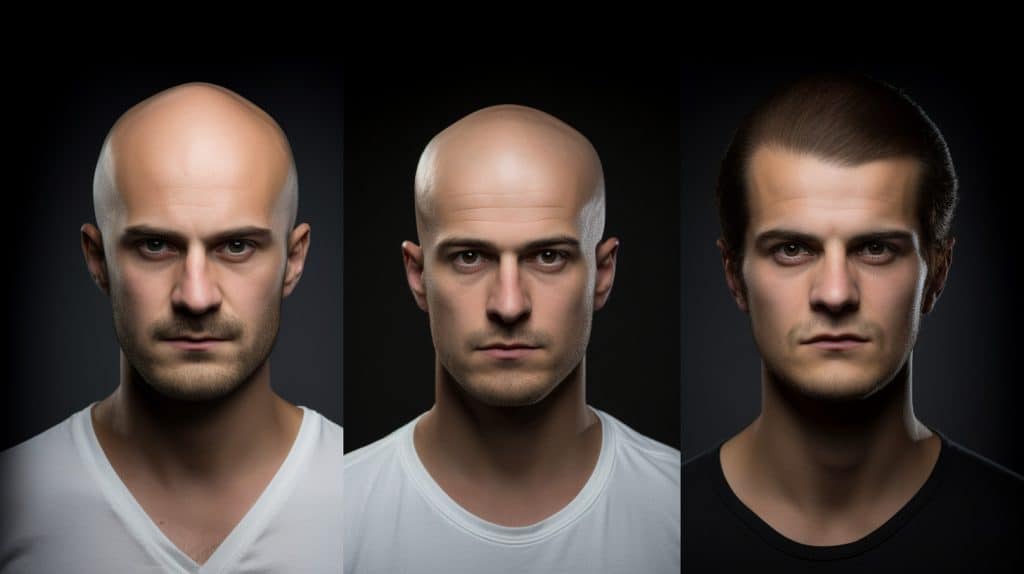
male pattern baldness stages pictures

In this article, we’ll explore the different stages of male pattern baldness and shed light on effective treatments for each stage. We’ll also dive into the emotional challenges that come with living with MPB and provide some guidance on how to deal with them.

Think of me as your guide on this path, sharing knowledge and resources to help you navigate through the ups and downs of male pattern baldness. Together, we can find solutions, support one another, and embrace our unique journeys with confidence and resilience.

Key Takeaways

– Male pattern baldness is a common condition that affects assigned males at birth as they age.

– The causes of male pattern baldness are not fully understood, but there are medications and treatments available to stop or reverse it.

– Mental health can be impacted by male pattern baldness, and it is important to seek help for any related concerns.

– Early intervention is important when signs of male pattern baldness appear.

Male pattern baldness affects two-thirds of all people assigned male at birth, and your odds of experiencing some hair loss increase with age.

https://my.clevelandclinic.org/health/diseases

Understanding Male Pattern Baldness: Definition and Causes

Now, let me take you on a journey to understand male pattern baldness stages – the gradual loss of hair above the ears that affects most men at some point in their lives. It’s like a slow dance where your hair thins around the temples and then gracefully retreats towards the back of your scalp, leaving behind a barren landscape with only a bald spot near the crown.

male pattern baldness stages age

Male pattern baldness stages typically starts in your 30s but can occur as early as your teenage years. The older you get, the more likely you are to experience symptoms. This condition is influenced by genetics, including those passed down from your maternal grandfather.

There are different stages of hair loss associated with male pattern baldness. In the early stages, you may notice thinning around the temples. As it progresses, hair loss extends backward towards the back of your scalp, forming an ‘M’ shape when viewed from above. Eventually, a bald spot near the hair whorl in the back of the crown may appear.

To identify male pattern balding and determine its stage, consulting with a healthcare provider is crucial. They can provide guidance on appropriate treatment options based on your specific case.

Treatment for male pattern hair loss depends on various factors such as age and stage of hair loss. Medications like minoxidil (Rogaine) and finasteride (Propecia) are FDA-approved options that can help reduce further hair loss and potentially regrow some hair.

Understanding the stages of male pattern baldness and seeking appropriate treatment can make a significant difference in managing this condition effectively. Remember to consult with healthcare professionals who specialize in treating male pattern baldness for personalized advice and support throughout each stage of this journey.

The Norwood Scale: Deciphering the Stages of Male Pattern Baldness

Visualize the progression of hair loss on your scalp as you navigate through the stages of the Norwood Scale. From a full and healthy head of hair to a receding hairline and thinning crown, the Norwood Scale is a standardized system developed by Dr OTar Norwood in the 1950s to classify male pattern baldness stages based on the pattern and severity of hair loss.

The Norwood Scale consists of seven stages that describe different levels of hair loss.

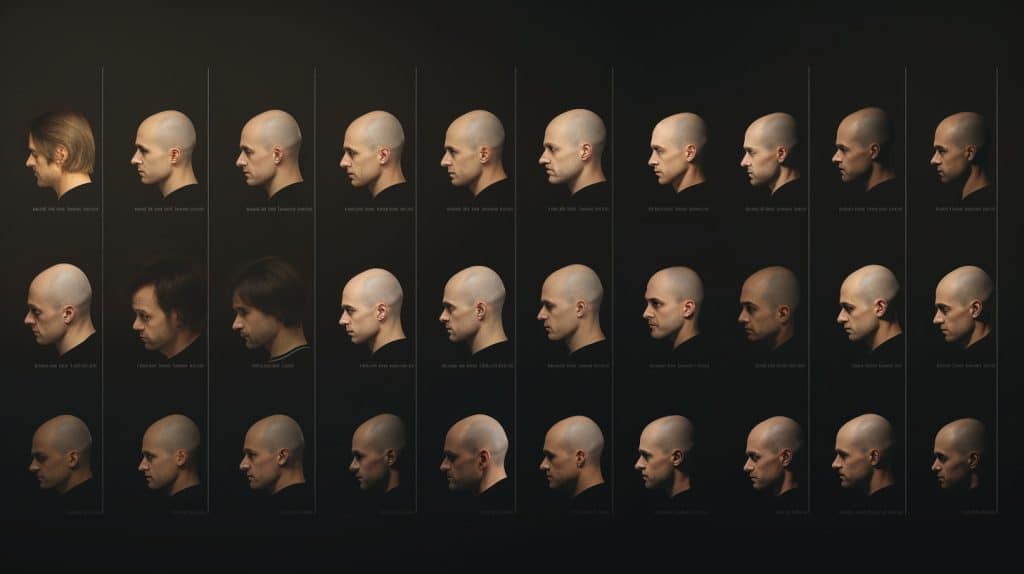
Male Pattern Baldness Stages

The first three stages primarily involve receding hairlines. Stage 2 starts with a slight recession at the temples, while stage 3 progresses to a more pronounced M-shaped pattern.

On the other hand, stages 4 to 7 focus on crown balding. Stage 4 shows significant hair loss at the crown, while stage 5 reveals an even larger bald spot at the top of the head. In stage 6, this bald spot grows larger, leaving only thinner hair on the sides. Finally, stage 7 represents very little remaining hair on the crown.

Understanding your classification on the Norwood Scale is crucial for determining appropriate treatment options. Medications like minoxidil and finasteride can help slow down or stop further hair loss by promoting scalp health and stimulating hair growth. In more advanced cases such as Norwood scale stage 7, where there is minimal remaining hair on the crown, surgical intervention like a hair transplant may be necessary to restore lost follicles.

By identifying where you fall within this scale, you can work with a healthcare provider or specialist to create an individualized treatment plan that suits your needs best. Whether it’s medication or surgical procedures like transplantation, there are options available to address male pattern baldness and promote regrowth for improved confidence and quality of life.

Living with Male Pattern Baldness: Dealing with Emotional Challenges

Coping with the emotional challenges of hair loss can be a difficult journey, but there are strategies and support available to help individuals navigate this experience. Male pattern baldness can progress through various stages, and it is essential to understand these stages in order to manage the emotional impact effectively.

At each stage of male pattern balding, individuals may experience different emotions and concerns. For example, those in the early stages may feel self-conscious or worried about their changing appearance. As the hair loss progresses, individuals may struggle with feelings of insecurity, decreased self-esteem, or even depression. It is important to recognize that these emotions are valid and seeking support is crucial.

male pattern baldness stages reddit

Treatment options for male pattern baldness can help address both the physical and emotional aspects of living with hair loss. From medications like finasteride and minoxidil to hair transplantation surgeries, there are various approaches available depending on individual needs and preferences. Consulting with a healthcare provider can help determine the most suitable treatment plan.

In addition to medical interventions, finding emotional support is vital for those dealing with male pattern baldness. Support groups or counselling services specialized in addressing body image issues can provide a safe space for sharing experiences and receiving guidance from others going through similar challenges.

Ultimately, it’s important to remember that living with male pattern baldness does not define one’s worth or attractiveness. Embracing one’s unique appearance and seeking out resources for emotional well-being can lead to increased confidence and overall satisfaction in life.

Modern Solutions: Effective Treatments for Each Stage of Baldness

Explore the range of innovative treatments available to address hair loss at every phase, providing effective solutions for individuals seeking to regain their confidence and restore their natural hair growth.

Baldness Stage Treatment Options
Early Stage Topical medications such as Minoxidil can help stimulate hair growth and slow down further hair loss. Finasteride, an oral medication, is also commonly prescribed to block the hormone responsible for male pattern baldness. In addition, low-level laser therapy (LLLT) devices are available that promote hair regrowth by stimulating follicles.
Mid Stage For individuals experiencing moderate hair loss, a combination of topical medications and oral medications may be recommended. This approach targets both the scalp and the underlying hormonal causes of male pattern baldness. Hair transplant surgery is also a popular option for those looking for more permanent results. The procedure involves transferring healthy hair follicles from one area of the scalp to areas with thinning or no hair.
Advanced Stage In advanced stages of male pattern baldness where there is significant hair loss, surgical options like scalp reduction or tissue expansion may be considered. These procedures involve removing parts of the bald scalp or stretching the existing scalp to cover larger areas. Hair transplantation can also be performed in conjunction with these techniques to achieve optimal results.

In addition to these treatments, it’s important to note that maintaining overall health and managing stress levels can contribute positively to preventing further hair loss.

With modern advancements in medical technology and research breakthroughs, individuals affected by male pattern baldness now have access to a variety of effective treatments tailored to each stage of their condition. These innovative solutions provide hope for those seeking not only restored confidence but also natural-looking hair growth.

It’s crucial for individuals experiencing any stage of male pattern baldness to consult with a healthcare professional who specializes in treating this condition. They can assess individual needs and recommend the most suitable treatments, taking into consideration factors such as age, overall health, and personal preferences. Remember, there are effective solutions available to help address hair loss and restore a sense of confidence and well-being.

Early Detection and Prevention: Combatting Male Pattern Baldness

Imagine catching a glimpse of your reflection and noticing a small patch of grass that has started to wither in your otherwise lush green lawn. This serves as a reminder that early detection and prevention are key to combating the gradual loss of hair. Recognizing the stages of male pattern baldness is crucial in order to take proactive measures to prevent further hair loss.

You may have heard about male pattern baldness genetics. Yes, male pattern baldness is usually influenced by the genes you’re born with. There may be a history of it in your family. Interestingly, the genes passed down on your mother’s side of the family can also affect your risk. So, if you want to get an idea about what you may look like as you get older, observe your maternal grandfather’s hair.

https://www.usnews.com/news/health-news

In both men and women, the first signs of male pattern baldness often include thinning hair at the temples or a receding hairline. By identifying these initial signs, individuals can seek prompt treatment to slow down or halt the progression of hair loss.

There are various treatments available for male pattern baldness, including medications such as minoxidil and finasteride. These medications can help stimulate hair growth and prevent further loss. Additionally, advanced procedures like hair transplant surgery or laser therapy may be recommended by healthcare providers.

Preventing male pattern baldness also involves adopting healthy lifestyle habits. This includes avoiding excessive heat styling or harsh chemical treatments on the hair, maintaining a balanced diet rich in vitamins and minerals essential for hair health, managing stress levels effectively, and protecting the scalp from sun damage.

Being aware of the early stages of male pattern baldness is vital for taking timely action towards prevention and treatment. By consulting with healthcare providers specialized in dermatology or plastic surgery, individuals can receive tailored advice on suitable interventions based on their specific needs. Remember that addressing signs of hair loss promptly can maximize chances of successful intervention and potentially reverse or slow down its progression.

FAQs

How quickly does male pattern baldness progress?

The speed at which male pattern baldness progresses can vary greatly among individuals. Factors such as genetics, health, and age can influence the rate of hair loss. On average, it can take 15-25 years to go through all the male pattern baldness stages. However, some men may reach the final stages within five years. Early detection and understanding the specific stage of male pattern baldness can help manage its progression.

What is stage 4 male baldness?

Stage 4 of the male pattern baldness stages is defined by the Norwood Scale, a widely recognized classification system for hair loss. At this stage, hair loss is more significant, with further recession at the temples and evident balding on the top of the scalp. The hairline and the bald spot at the top might still be separate, but they’re noticeably closer together. Understanding this stage can be essential in determining the right treatment strategy.

What are the stages of male baldness?

The stages of male pattern baldness are often described using the Norwood Scale, which includes seven stages. Stage 1 represents no significant hair loss or receding hairline. By Stage 3, there’s a sharp recession at both temples, forming an “M” shape.

Stage 4 is described above, and the condition progresses until Stage 7, where only a band of hair remains around the back and sides of the scalp. Recognizing the male pattern baldness stages can help in adopting appropriate measures to manage the condition.

Can male pattern baldness be reversed?

While there’s no surefire cure for male pattern baldness, certain treatments may help slow down, halt, or partially reverse the male pattern baldness stages. These include topical treatments like minoxidil, oral medications like finasteride, and surgical options such as hair transplants.

However, their effectiveness can greatly vary between individuals. It’s also important to note that early intervention tends to yield the best results, highlighting the importance of understanding and identifying the stages of male pattern baldness.

from Life & Healthy Living https://lifeandhealthyliving.com/male-pattern-baldness-stages-dare-to-hope/
via IFTTT

from Life and Healthy Living https://lifeandhealthyliving0.blogspot.com/2023/07/male-pattern-baldness-stages-dare-to.html
via IFTTT


from
https://lifeandhealthyliving0.wordpress.com/2023/07/30/male-pattern-baldness-stages-dare-to-hope/

Sunday, 23 July 2023

Hair loss stages: Time to worry?

Hair Loss Stages:

Have you ever looked in the mirror and noticed a few extra hairs left behind? It’s a common occurrence that we all experience from time to time. But what if those hairs keep disappearing, day after day, until you start to see noticeable thinning or bald patches? That’s when it’s natural to wonder: is this something I should be worried about?

hair loss stages

Hair loss can be a distressing experience, affecting both our appearance and our self-confidence. But here’s the good news: understanding the stages of hair loss can help us navigate this journey with knowledge and confidence.

In this article, we’ll delve into the science behind hair loss and explore the early signs that are often overlooked. We’ll decode the different stages of hair loss, so you can better understand where you may fall on this spectrum. And most importantly, we’ll discuss proven strategies for combatting each stage of hair loss.

Whether you’re just starting to notice some shedding or have been dealing with thinning hair for years, this article has something for everyone.

Key Takeaways

– Understanding the stages of hair loss can help navigate the journey with knowledge and confidence.

– Male pattern baldness can be classified using the Norwood scale.

– Treatment options like finasteride and minoxidil can help slow down or reverse hair loss.

– Recognizing the stages of hair loss can determine when to take action.

While hair loss usually affects the scalp, some conditions can cause hair loss on other areas of the body. Alopecia areata is a disease that can cause hair loss anywhere on the body where hair grows. People who have alopecia areata often have hair loss on their scalp, but they can also lose part (or all) of their:

https://www.aad.org/public/diseases/hair-loss/insider/begin

Understanding the Science Behind Hair Loss

Do you want to understand the science behind hair loss?

Let’s delve into how and why it happens, from genetic factors to stress-induced conditions like telogen effluvium.

hair growth stages

Hair loss can occur in different stages, and understanding these stages can help us identify the signs and symptoms of male pattern baldness.

One commonly used tool for classifying male pattern baldness is the Norwood scale. This scale helps determine the stage of hair loss by evaluating patterns such as receding hairline or thinning on the crown.

In early stages, you may notice a slight recession at the temples or a widening part line. As the condition progresses, hair loss becomes more noticeable and may result in complete baldness on top while leaving hair at the sides and back.

If you suspect that you are experiencing male pattern baldness at any stage, it’s important to seek treatment early on. There are various options available to help slow down or even reverse hair loss. Medications like finasteride and minoxidil have been proven effective in promoting hair growth and preventing further loss.

By understanding the stages of male pattern balding, we can take initiative-taking steps towards identifying it early and seeking appropriate treatment. Remember, if you’re concerned about your hair loss, don’t hesitate to consult with a healthcare professional who can provide guidance tailored to your specific needs.

The Shocking Early Signs of Hair Loss You Might Be Ignoring

Neglecting the subtle indications of your hair’s vanishing act? Brace yourself for the shocking early signs you might be ignoring! Hair loss can sneak up on us, gradually thinning our locks and changing our appearance.

But how do we know when it’s time to worry? Understanding the stages of hair loss is crucial in recognizing these early indicators.

To paint a clearer picture, let’s imagine a table with three columns and five rows. In the first column, we have “Stage of Hair Loss.” The second column lists “Description,” while the third column provides “Action Needed.”

Stage of Hair Loss Description Action Needed
Stage 1 Widening part or less fullness in ponytail (for women) Monitor hair loss
Stage 2 Gradual thinning or slow-growing bald spot Seek medical advice
Stage 3 Receding hairline or widening part Consider treatment options
Stage 4 Thinner ponytail Consult with a specialist
Stage 5 Noticeable baldness Explore advanced treatment options

Recognizing these stages can help determine whether it’s time to take action. From male pattern baldness to telogen effluvium, understanding the types of hair loss and their respective treatments is essential. Remember, our hair goes through a natural growth cycle, so occasional shedding is normal. However, if you notice excessive or sudden hair loss, it may be worth seeking professional advice.

So don’t turn a blind eye to those early warning signs! Stay vigilant and proactive when it comes to your precious strands. Knowledge is power when it comes to maintaining healthy hair follicles and promoting optimal hair growth.

Decoding the Different Stages of Hair Loss

Pay attention to the subtle changes in your hair’s appearance and take a closer look at the different stages of hair loss. It’s like deciphering a secret code that only your hair follicles know. Understanding these stages can help you determine if it’s time to worry or if it’s just a normal part of the hair growth cycle.

hair loss stages pictures

The first stage is the anagen phase, also known as the growing season. This is when your hair follicles are actively producing new hairs and can last anywhere from 3 to 7 years. During this phase, you might notice thick and healthy hair.

Next comes the catagen phase, which is like a transition period. Hair growth slows down, and your strands become weaker. This phase lasts for about 2 weeks.

Then we have the telogen phase, also known as the resting phase. About 10-15% of your hair follicles are in this stage at any given time. It’s completely normal for hairs in this phase to shed, resulting in about 100 strands lost per day.

Lastly, there’s the exogen phase where old hairs fall out completely before new ones start growing again.

So when should you start worrying? If you notice excessive shedding or if your thinning becomes noticeable, it might be time to seek medical advice.

Remember, everyone experiences some degree of hair loss throughout their lives. But understanding these different stages can give you peace of mind and help you decide what your own hair is trying to tell you.

Effective treatments for some types of hair loss are available. You might be able to reverse hair loss, or at least slow it. With some conditions, such as patchy hair loss (alopecia areata), hair may regrow without treatment within a year. Treatments for hair loss include medications and surgery.

https://www.mayoclinic.org/diseases-conditions/hair-loss/diagnosis-treatment/drc-20372932

Proven Strategies for Combatting Each Stage of Hair Loss

Lucky you! You’ve unlocked the secret strategies for battling those sneaky stages of hair departure. When it comes to hair loss, timing is everything. Knowing when to worry can make all the difference in finding effective solutions. So, let’s dive into the proven strategies for combatting each stage of hair loss.

First up, we have male pattern baldness, a stage that often starts with a receding hairline and progresses to a noticeable thinning on top. The good news is that there are natural ways to slow down or even reverse this process.

hair loss stages photos

One strategy is using minoxidil, an FDA-approved medication that promotes hair growth. Another option is finasteride, which inhibits the hormone responsible for shrinking hair follicles.

Next, we move on to other stages of hair loss, whether due to illness, stress, or simply aging. In these cases, it’s important to focus on overall scalp health and nourishment. Regularly massaging your scalp with essential oils like rosemary or peppermint can stimulate blood flow and promote healthy hair growth. Additionally, incorporating a balanced diet rich in vitamins and minerals can provide the necessary nutrients your locks need.

Remember, not all hope is lost when it comes to hair loss stages! By understanding the different types and implementing these proven strategies tailored to each stage of hair loss, you’ll be well-equipped in your battle against those elusive strands. So don’t fret – take action and reclaim your crowning glory!

Future Trends: Exciting Advances in Hair Loss Treatment

Get ready to be amazed by the exciting advances in hair loss treatment that are shaping the future of regaining your luscious locks! As someone who’s experienced hair loss myself, I understand how distressing it can be to watch your once-thick mane thinning out. But fear not, because the future looks promising for those of us concerned about our receding hairlines.

One of the most anticipated trends in hair loss treatment is the development of drugs specifically targeted towards autoimmune conditions and genetic issues. This means that individuals with conditions like alopecia areata or hereditary pattern baldness may soon have more effective options for regrowing their hair.

But that’s not all – direct-to-consumer companies are also stepping up their game. Take Muesly, for example. They’ve recently launched oral minoxidil pills for hair growth, providing a convenient alternative to topical treatments like Rogaine.

Scalp health is another area receiving increased attention in the world of hair care. Companies such as Unilever, Virtue Labs, and Act+Acre are developing new products aimed at promoting scalp health and preventing hair loss from occurring in the first place.

With these exciting advancements on the horizon, there is hope for anyone experiencing hair loss at any stage. Whether you’re just starting to notice a few extra hairs on your brush or you’re already sporting a shiny bald head, it’s never too early or too late to take action.

Exciting advances in hair loss treatment are just around the corner!

hair loss stages photos male

So next time you catch a glimpse of your receding hairline or find yourself shedding more than usual, don’t panic! Remember that most hair loss is nothing to fret about. It’s just a natural part of life.

But if you’re really concerned or want to rock that luscious mane again, see a GP who can guide you in the right direction.

And hey, if all else fails and your head ends up as smooth as a baby’s bottom, remember that bald is beautiful too! Confidence is key, my friends. So, embrace your inner Vin Diesel or Dwayne ‘The Rock’ Johnson and show off that shiny dome with pride!

Now go forth and conquer those follicular challenges with humor and grace. Because at the end of the day, it’s not about how much hair we have on our heads; it’s about how we carry ourselves and laugh in the face of adversity.

Stay fabulous and keep shining (bald or not)!

FAQs

How long does the hair loss phase last?

The duration of hair loss phases can vary greatly from person to person, and are largely dependent on the individual’s genetics, overall health, and lifestyle. Understanding the “hair loss stages” can help you to anticipate what to expect.

In the early stage of male pattern baldness, hair loss can progress slowly over several years, or it can be relatively quick. Similarly, stage 2 hair loss in females may also vary in duration. It’s important to consult with a healthcare professional or a dermatologist to understand your specific situation.

Is Stage 3 hair loss reversible?

Stage 3 hair loss, whether male or female, generally signifies a more advanced stage of hair loss. For males, this stage of hair loss is often a pivotal point in the progression of male pattern baldness symptoms. For females, stage 3 hair loss can be quite distressing.

While this stage is typically more difficult to reverse naturally, it’s not impossible. Many individuals have seen some success with treatments such as topically applied minoxidil, low-level laser therapy, and natural methods focused on diet and lifestyle changes. Understanding the specific “hair loss stages” can help guide these treatment approaches.

Which stage of hair loss is treatable?

All stages of hair loss, from the early stages of male pattern baldness to stage 2 or 3 hair loss in females, are potentially treatable to some degree. The key is early detection and intervention. Treatments range from over-the-counter topical treatments to prescription medications, surgical procedures, and natural methods on how to reverse male pattern baldness naturally.

It’s important to remember that while these treatments can help slow or even reverse hair loss, they work best when started at the first signs of hair loss. Understanding the different types of male pattern baldness and the “hair loss stages” can assist in developing an effective treatment plan.

from Life & Healthy Living https://lifeandhealthyliving.com/hair-loss-stages-time-to-worry/
via IFTTT

from Life and Healthy Living https://lifeandhealthyliving0.blogspot.com/2023/07/hair-loss-stages-time-to-worry.html
via IFTTT


from
https://lifeandhealthyliving0.wordpress.com/2023/07/23/hair-loss-stages-time-to-worry/

How to stop snoring exercises

How to Stop Snoring Exercises – For Long-Suffering Sleepers. Does the dawn break with you feeling like you've traversed a lumberyard in...